How Finish Carpentry Supports Aging in Place Without Sacrificing Style

April 29, 2026

How Custom Finish Carpentry Helps Homeowners

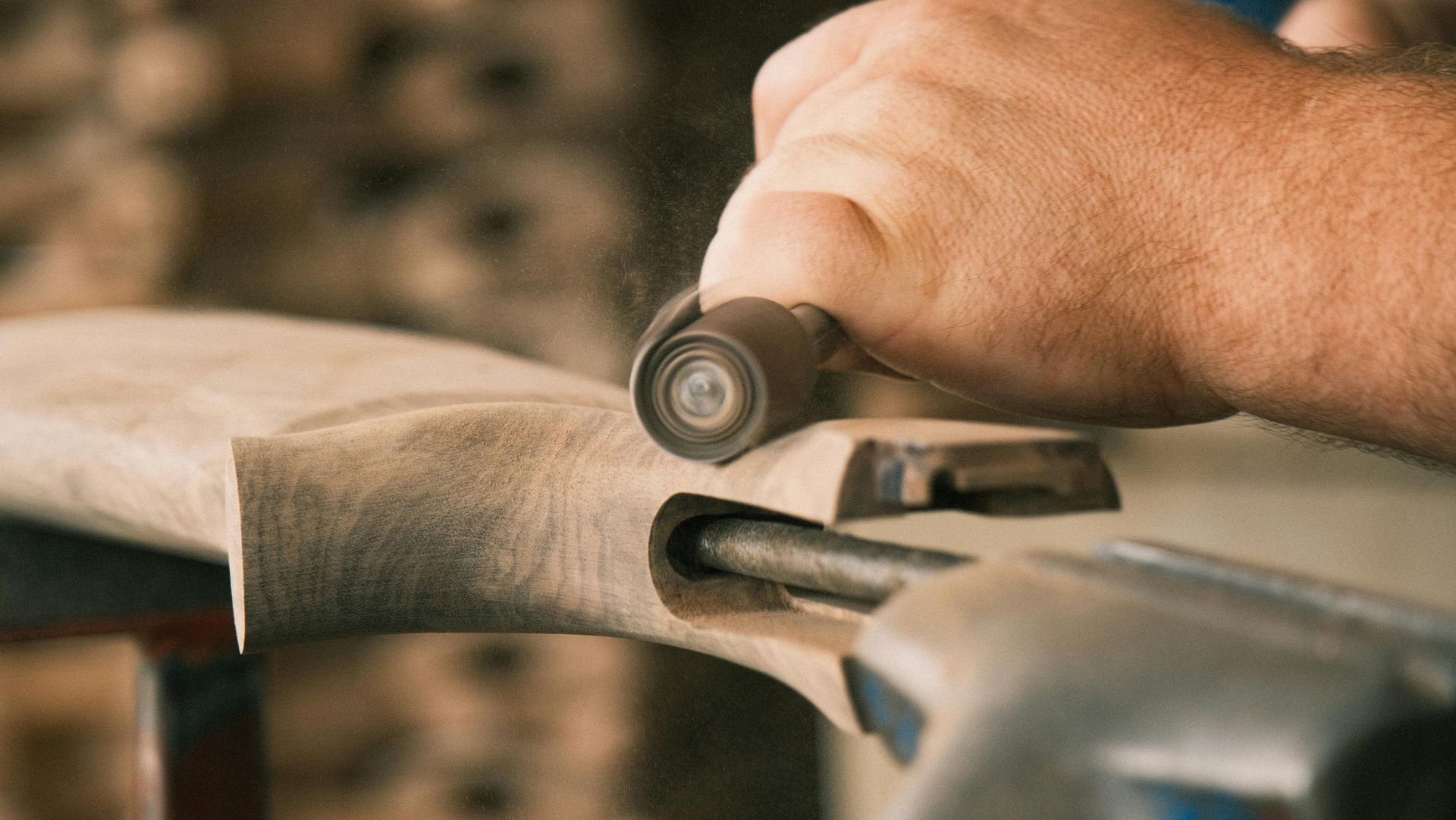
Hand sanding a wooden object with a small sanding block, close-up in a workshop

More homeowners than ever are choosing to remain in their homes as they age. Known as “aging in place,” this approach allows people to stay in familiar surroundings while maintaining independence, comfort, and quality of life. However, aging in place doesn’t mean settling for institutional-looking upgrades or sacrificing style.

Thoughtful finish carpentry plays a major role in making homes safer, more accessible, and more functional — all while preserving warmth, character, and design integrity.

At Blackhills Finish Carpentry, we work with homeowners throughout Hill City, Rapid City, and the Black Hills to create interiors that support long-term living without looking clinical or temporary. Here’s how custom finish carpentry can help you age in place gracefully while keeping your home beautiful.

1. What Aging in Place Really Means

Aging in place focuses on adapting a home to support changing mobility, balance, strength, and accessibility needs over time. These changes are often gradual, which makes proactive planning especially valuable.

Common goals include:

  • Reducing fall risks
  • Improving ease of movement
  • Increasing reach and accessibility
  • Enhancing comfort and safety
  • Maintaining independence

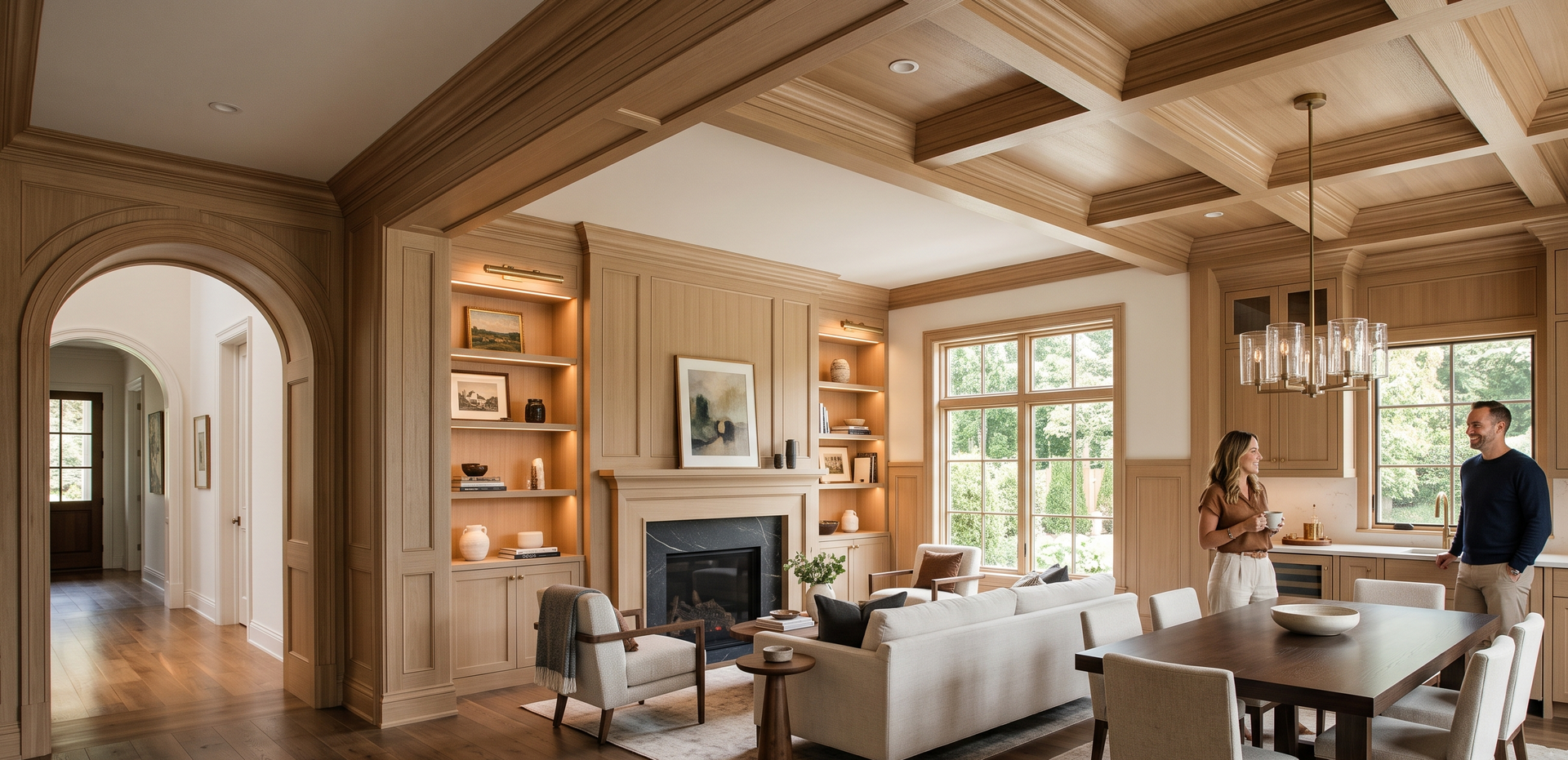
Finish carpentry allows these goals to be met in subtle, integrated ways that blend naturally into the home’s design.

2. Custom Handrails That Look Architectural

One of the most important safety upgrades in aging-in-place homes is improved support for stairs and level changes. Unfortunately, many off-the-shelf handrails look temporary or industrial.

Custom carpentry allows for:

  • Handrails that match existing trim and millwork
  • Solid wood railings with comfortable grip profiles
  • Integrated wall-mounted rails that blend into paneling
  • Continuous rail systems that provide uninterrupted support

Properly designed handrails improve safety while enhancing architectural appeal — not detracting from it.

3. Safer Staircases Through Finish Details

Stairs are one of the highest-risk areas in any home. Finish carpentry improvements can significantly reduce that risk.

Helpful upgrades include:

  • Solid wood treads with proper depth
  • Secure, well-aligned risers
  • Improved stair nosing visibility
  • Enhanced rail stability
  • Elimination of loose or squeaking components

These upgrades improve confidence and stability without altering the home’s character.

4. Built-In Seating for Comfort and Balance

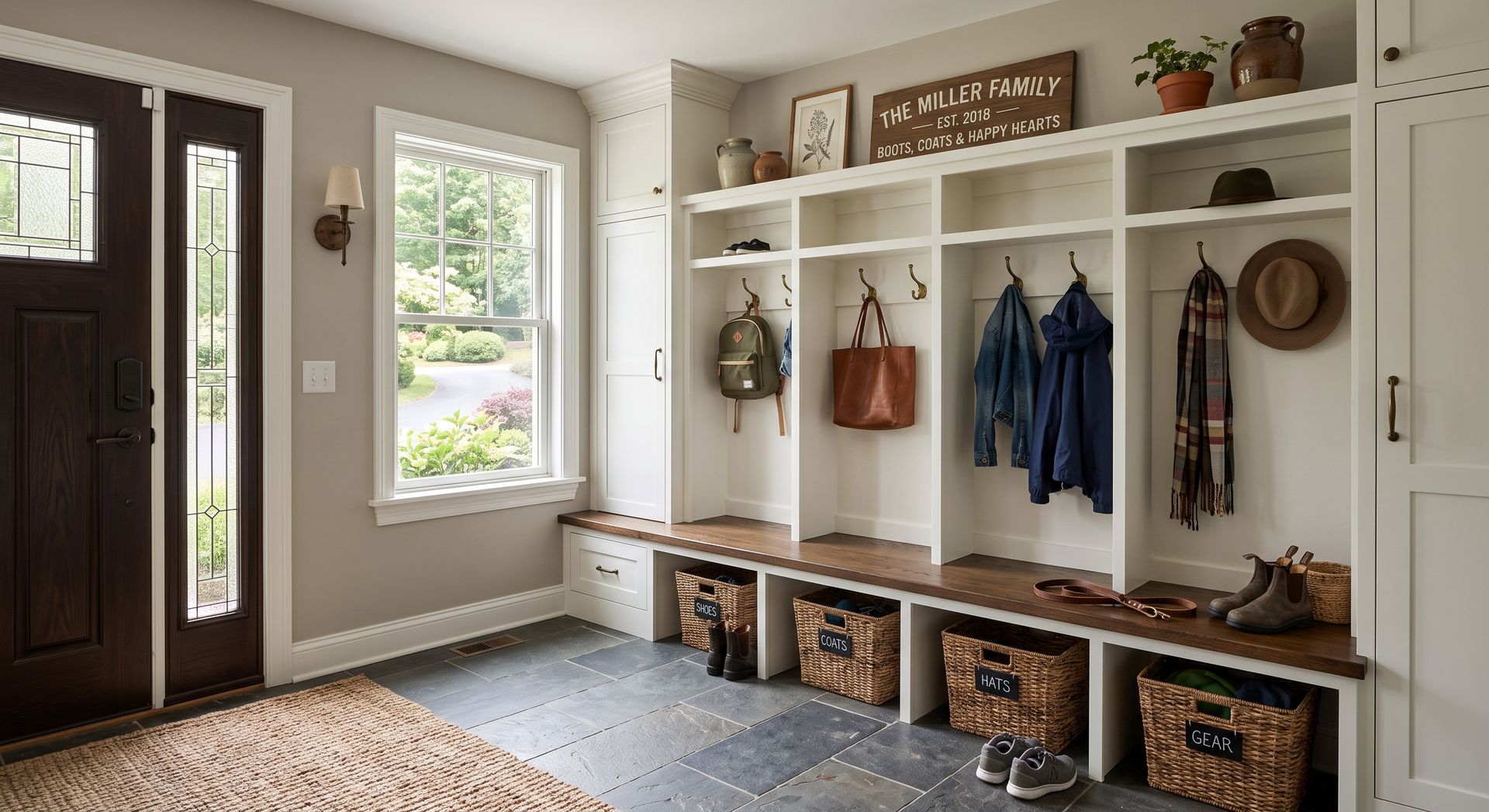
Built-in benches and seating provide convenient resting spots and improve balance in key areas of the home.

Common locations include:

  • Entryways and mudrooms
  • Hallways
  • Bedrooms
  • Showers or changing areas

Custom-built seating can be designed at comfortable heights, include arm support, and offer storage — all while matching the home’s style.

5. Cabinetry Designed for Accessibility

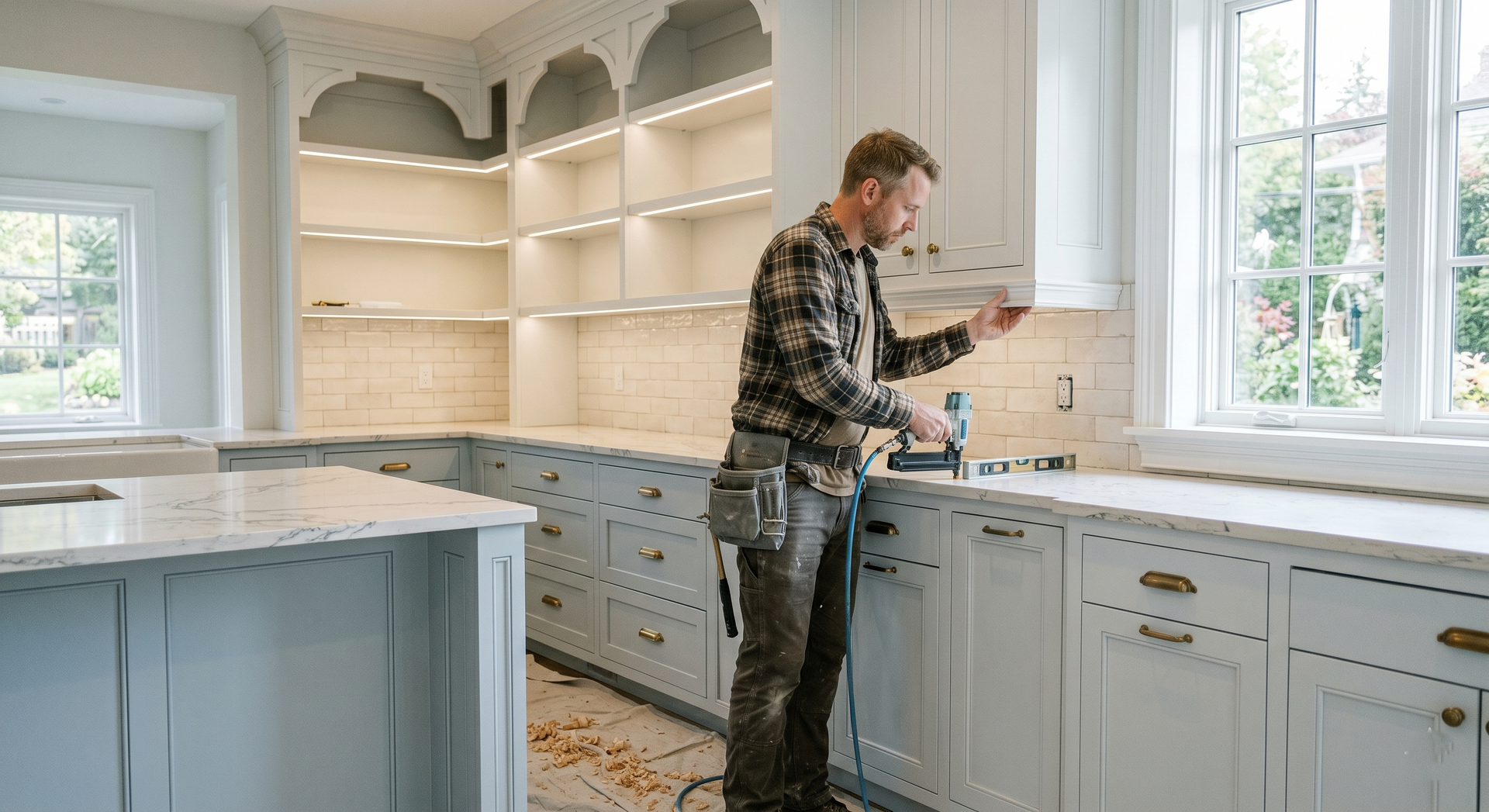
Standard cabinetry often assumes full reach, strength, and flexibility. Custom cabinetry can be designed to accommodate changing needs without obvious “accessibility” cues.

Features may include:

  • Lowered countertop sections
  • Pull-out shelves and drawers
  • Soft-close hardware
  • Full-extension drawer slides
  • D-shaped or easy-grip handles

These details make daily tasks easier while maintaining a refined appearance.

6. Closet and Storage Solutions That Reduce Strain

Reaching overhead or bending frequently can become difficult over time. Custom storage systems can minimize strain and improve organization.

Finish carpentry solutions include:

  • Adjustable shelving
  • Pull-down closet rods
  • Drawer-based storage instead of high shelves
  • Built-in organizers at waist height

By bringing storage within comfortable reach, homeowners reduce physical stress and improve safety.

7. Improved Transitions Between Rooms

Tripping hazards often occur at thresholds and transitions. Finish carpentry plays a key role in smoothing these areas.

Upgrades include:

  • Flush thresholds
  • Properly trimmed transitions between flooring types
  • Elimination of unnecessary level changes
  • Clean, beveled transitions that guide foot placement

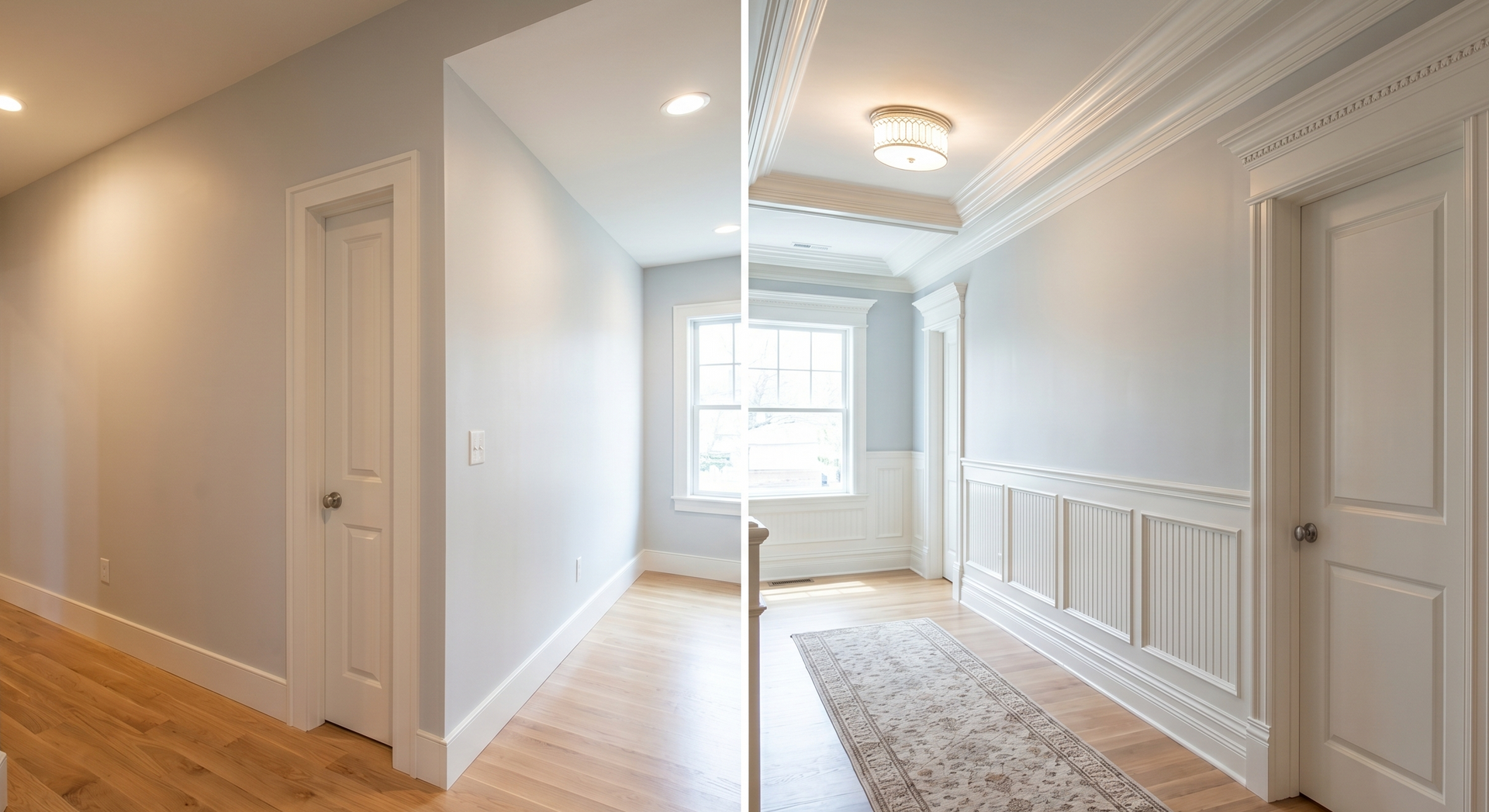
These improvements reduce risk while enhancing visual flow throughout the home.

8. Built-Ins That Reduce the Need for Extra Furniture

Freestanding furniture can create obstacles and clutter that make movement more difficult.

Custom built-ins:

  • Stay flush with walls
  • Reduce protruding edges
  • Improve clear walking paths
  • Combine storage and function

This creates open, navigable spaces that feel calm and organized.

9. Finish Carpentry Enhances Lighting Effectiveness

While lighting itself isn’t carpentry, trim and built-ins strongly influence how light behaves in a space.

Finish carpentry can:

  • Frame windows to maximize natural light
  • Reflect light through lighter finishes
  • Reduce shadow-heavy areas
  • Integrate accent lighting into shelving and cabinetry

Better lighting reduces eye strain and improves spatial awareness — both important for aging in place.

10. Bathrooms That Feel Safe Without Feeling Clinical

Bathrooms are another high-risk area. Finish carpentry allows safety upgrades to feel intentional rather than institutional.

Examples include:

  • Custom vanities at comfortable heights
  • Integrated support rails disguised as towel bars or trim
  • Built-in shower benches
  • Storage designed to reduce bending

These details support safety while preserving a warm, residential feel.

11. Planning Ahead Prevents Costly Retrofits

One of the biggest advantages of addressing aging-in-place considerations early is avoiding rushed, reactive changes later.

Finish carpentry upgrades can be:

  • Installed during planned remodels
  • Phased over time
  • Designed to accommodate future needs
  • Integrated invisibly into the home

This proactive approach saves money, reduces stress, and preserves design continuity.

12. Aging in Place Should Still Feel Like Home

Perhaps most importantly, aging in place should never mean sacrificing comfort, pride, or personal style.

Custom finish carpentry ensures that:

  • Safety features feel natural
  • Upgrades align with your home’s design
  • Spaces remain warm and welcoming
  • Your home still reflects who you are

The best aging-in-place solutions don’t draw attention to themselves — they simply make daily living easier.

Thoughtful Craftsmanship for Every Stage of Life

A home that supports aging in place is not about limitation — it’s about longevity. With smart design and skilled finish carpentry, homeowners can create spaces that evolve with them while remaining beautiful and functional.

At Blackhills Finish Carpentry, we believe craftsmanship should support life at every stage. That belief guides every project we build.

Ready to Plan for Long-Term Comfort and Safety?

If you’re considering updates that allow you to stay in your home comfortably for years to come, we’d be happy to help.

Call: (605) 381-0298
Email: bfaehnrich6@yahoo.com
Serving: Hill City, Rapid City & the Black Hills
Hours: Monday – Friday, 7am – 5pm

Let’s design finish carpentry that supports your future — without compromising style.

Person working at a bright kitchen counter with white cabinets and large windows
May 29, 2026
Discover how finish carpentry transforms kitchens through trim, built-ins, islands, and architectural details beyond cabinets and counters for custom style now!
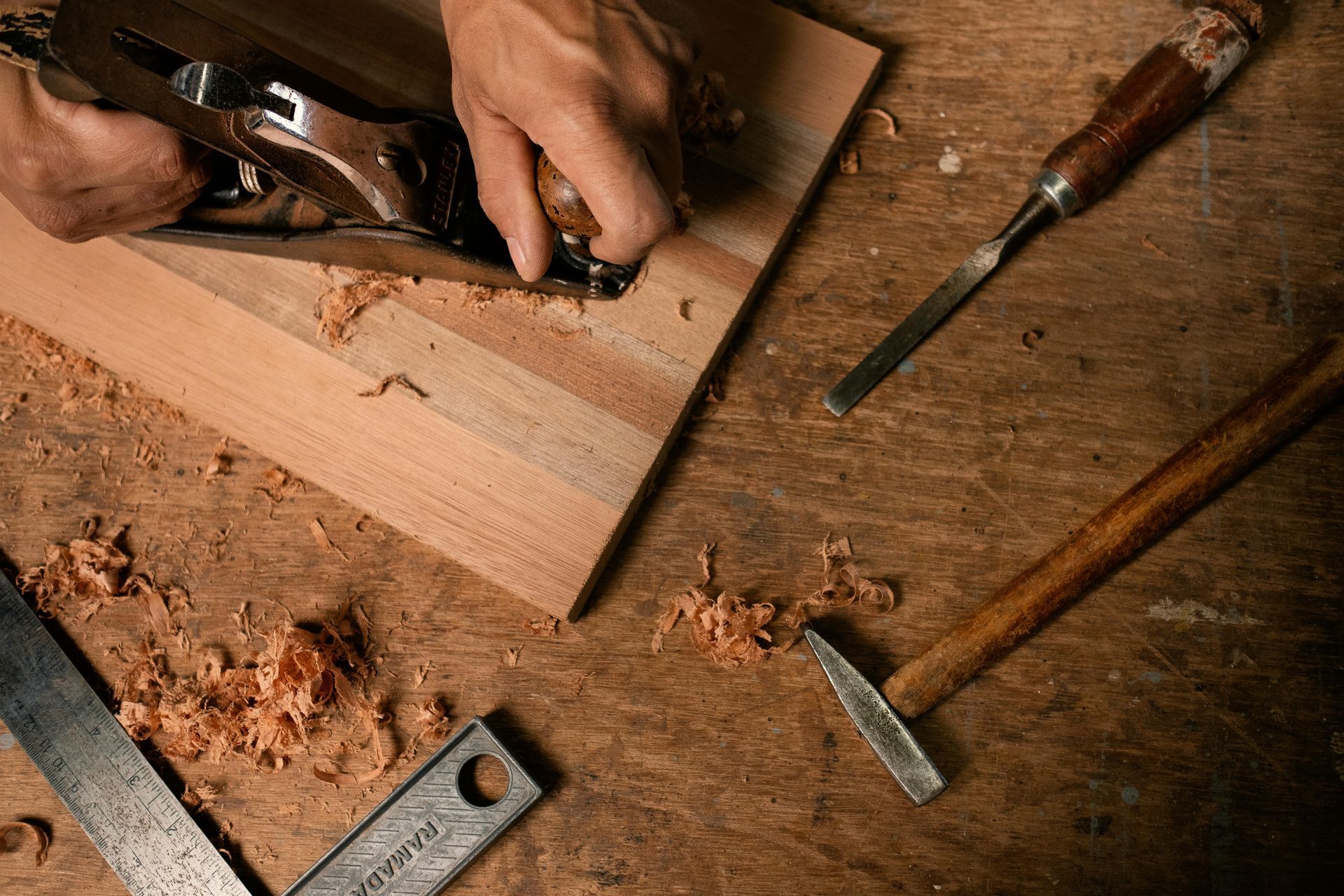
Hands using a hand plane on wood beside chisels and sawdust in a woodworking workshop
May 14, 2026
Learn why material selection is critical in finish carpentry and how wood quality affects durability, appearance, maintenance, and long-term value for your home.!!
A woodworker uses a hammer to drive a small nail into a piece of wood on a workshop workbench.
April 14, 2026
Learn how to properly care for and maintain custom finish carpentry. Simple tips to protect trim, built-ins, and cabinetry for decades.
March 30, 2026
Plan a whole-home finish carpentry upgrade step by step. Explore trim, built-ins, cabinetry, timelines, and budgeting tips for a polished, cohesive home finish.
A close-up of hands using a wooden marking gauge to measure a piece of timber on a workbench.
March 13, 2026
Learn how finish carpentry reduces noise and echo in your home. Discover how trim, built-ins, paneling, and architectural details improve acoustics and comfort.
Living room with fireplace, built-in shelving, neutral-toned furniture, and large windows with cream curtains.
February 27, 2026
Learn the key differences between builder-grade and custom finish carpentry, and why expert craftsmanship makes a lasting impact on quality, detail, and home value.
Real estate agent showing a couple a home; interior, daylight. The agent wears a suit, and the couple are smiling.
February 10, 2026
Learn how custom finish carpentry increases resale value, buyer appeal, and long-term equity for homes in Hill City and Rapid City, SD.
Dining room with light blue walls, wood floors, and white trim. Includes a chair, art, and a vase.
January 20, 2026
Interior trim details define the quality of your home. Learn how baseboards, casing, crown molding, and transitions elevate design and value.
House under construction on a dirt lot; unfinished frame, plywood walls, metal roof, blue sky.
January 5, 2026
Learn how strategic finish carpentry can make small homes feel larger. Trim, built-ins, lighting, and design techniques for South Dakota homes.
Kitchen with light wood cabinets, granite countertops, and a white refrigerator.
December 16, 2025
Discover the benefits of custom built-ins compared to freestanding furniture. Learn why South Dakota homeowners prefer custom storage and shelving.
Show More