
How to Plan a Whole-Home Finish Carpentry Upgrade Without Overwhelm
How to Plan a Whole-Home Finish Carpentry Upgrade Step by Step

Upgrading the finish carpentry throughout your home can completely transform how it looks, feels, and functions. New trim, built-ins, cabinetry, and architectural details bring cohesion, refinement, and long-term value. But when homeowners start thinking about updating everything at once, the process can feel overwhelming.
Where do you start?
How much should you budget?
Do you do it all at once or in phases?
At Blackhills Finish Carpentry, we’ve guided homeowners throughout Hill City, Rapid City, and the Black Hills through whole-home finish upgrades for more than 25 years. With the right approach, these projects don’t have to feel stressful or chaotic. They can be structured, efficient, and even enjoyable.
Here’s how to plan a whole-home finish carpentry upgrade with clarity and confidence.
1. Understand What a Whole-Home Finish Upgrade Includes
Before planning begins, it’s important to define what “whole-home finish carpentry” actually means. This type of project typically focuses on visible, architectural elements rather than structural changes.
Common components include:
- Baseboards and shoe molding throughout the home
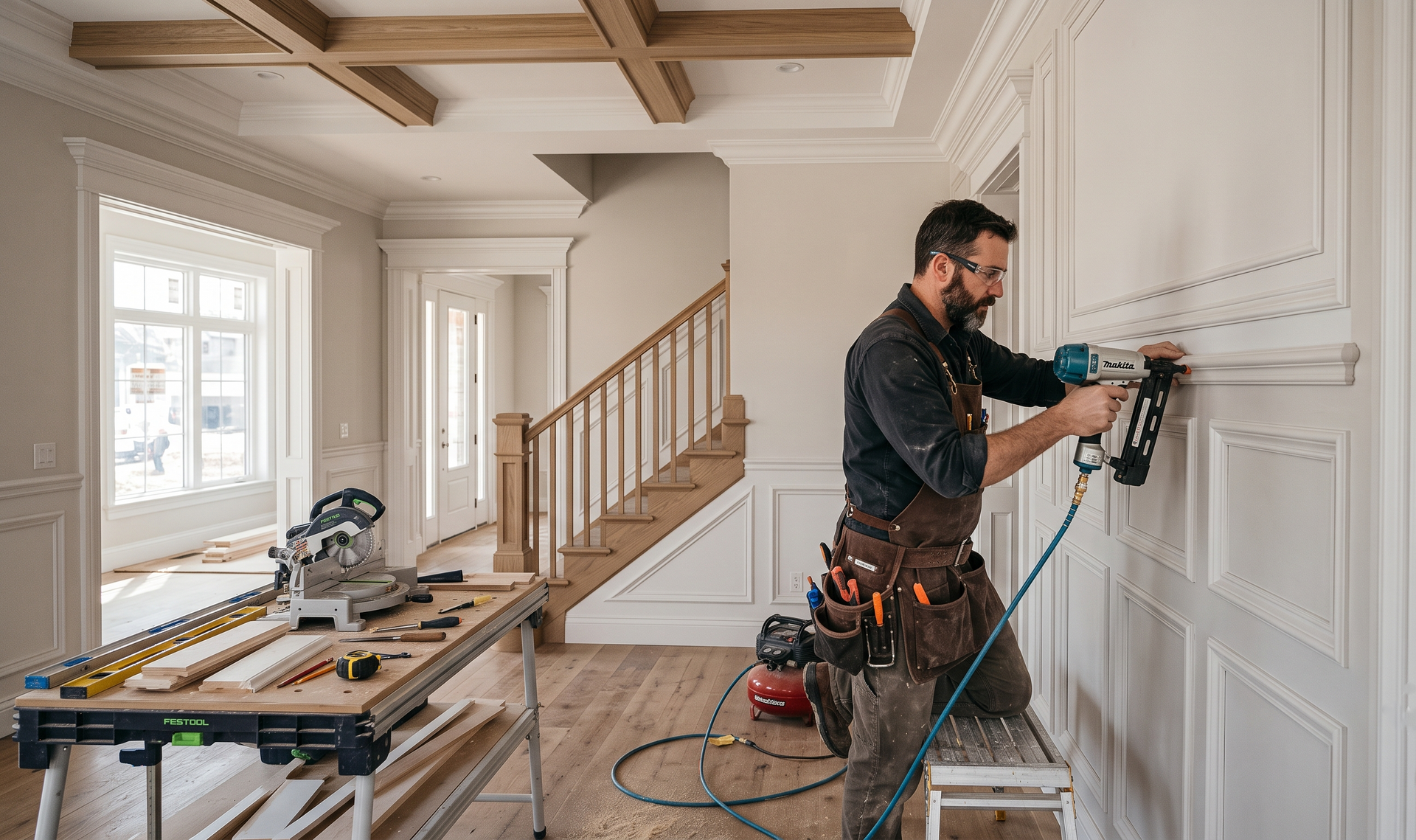
- Door and window casing
- Crown molding or ceiling trim
- Stair trim, railings, and newel posts
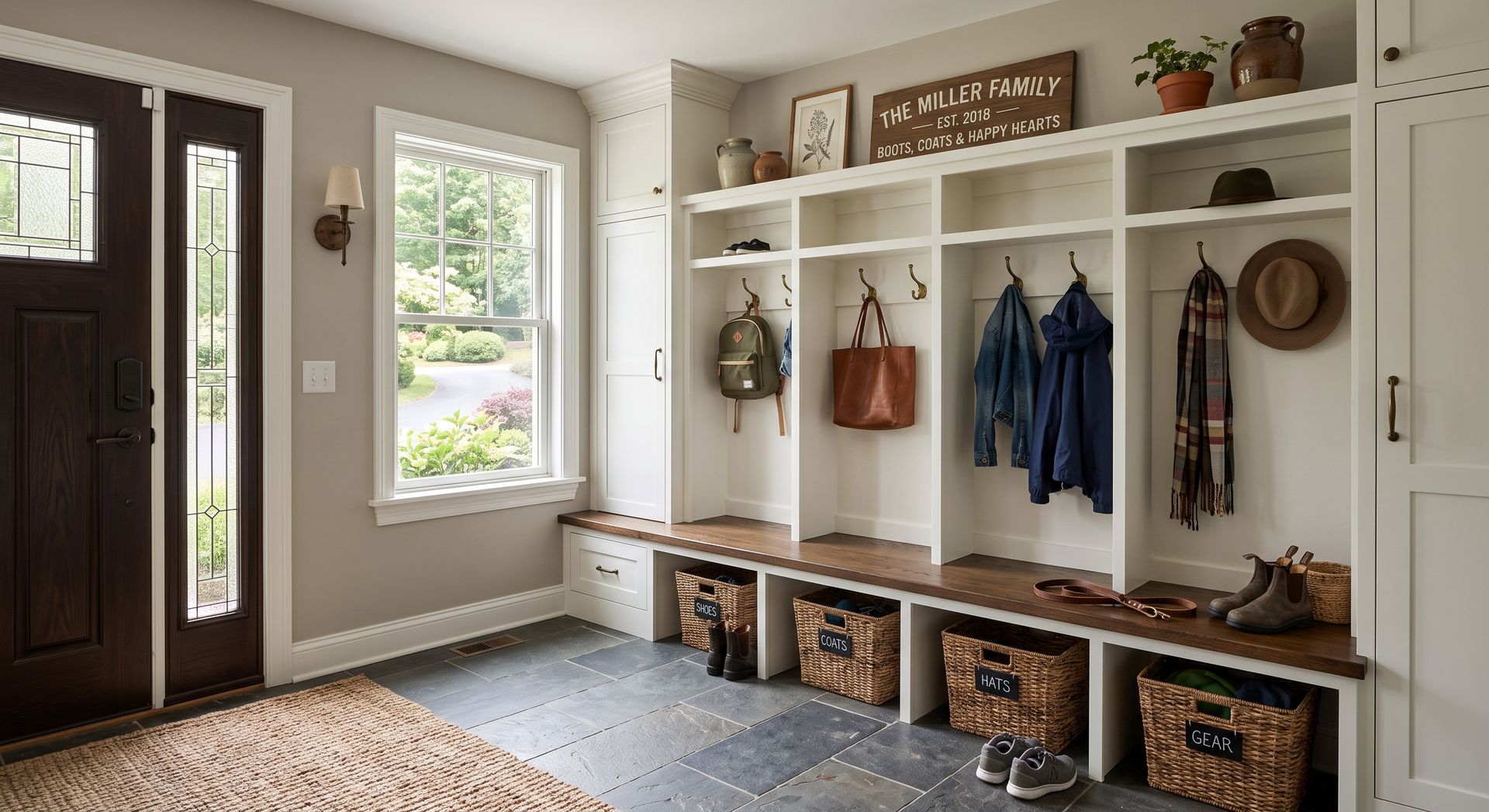
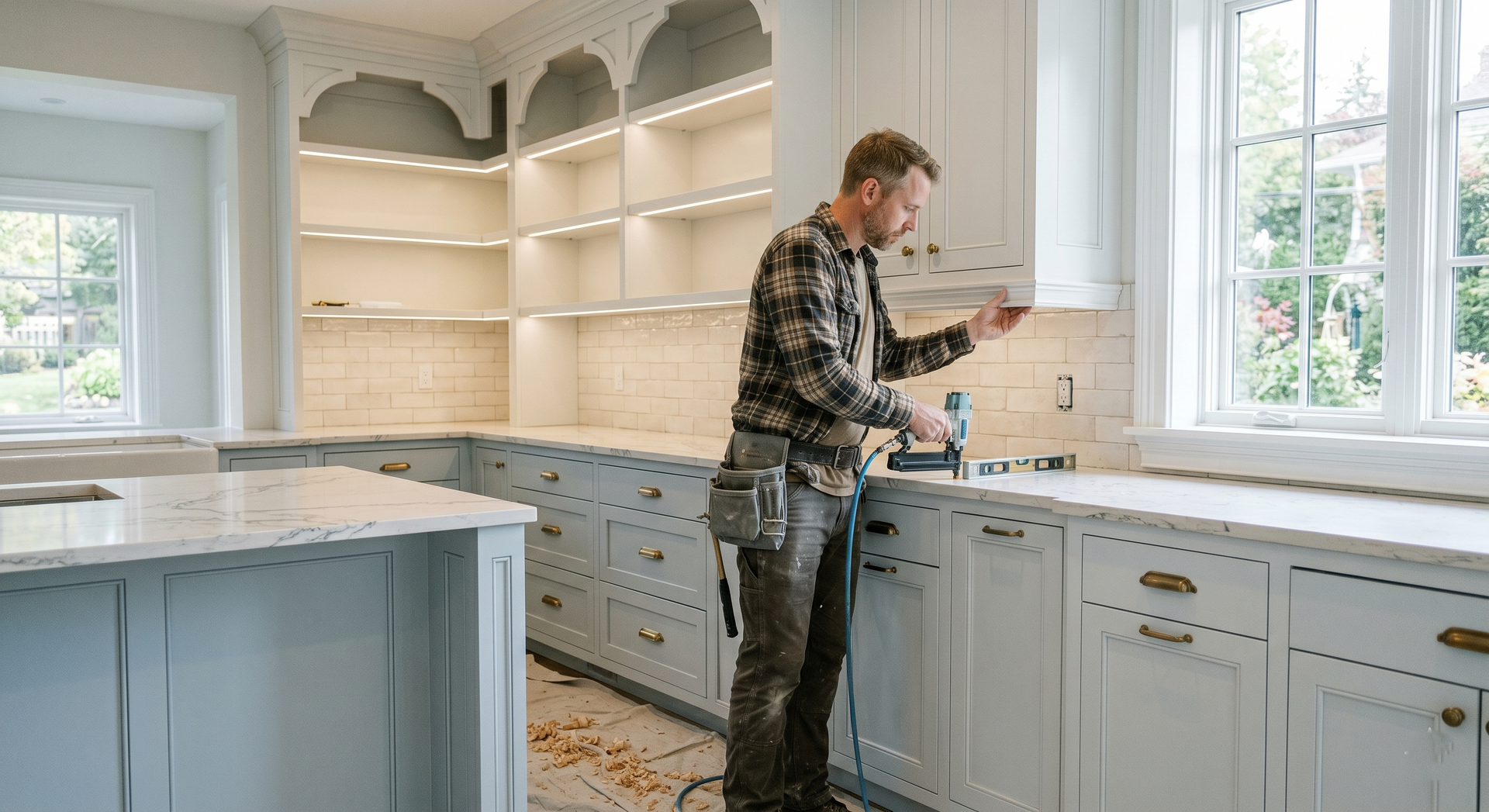
- Built-in shelving and cabinetry
- Fireplace surrounds
- Wainscoting or wall paneling
- Closet and storage systems
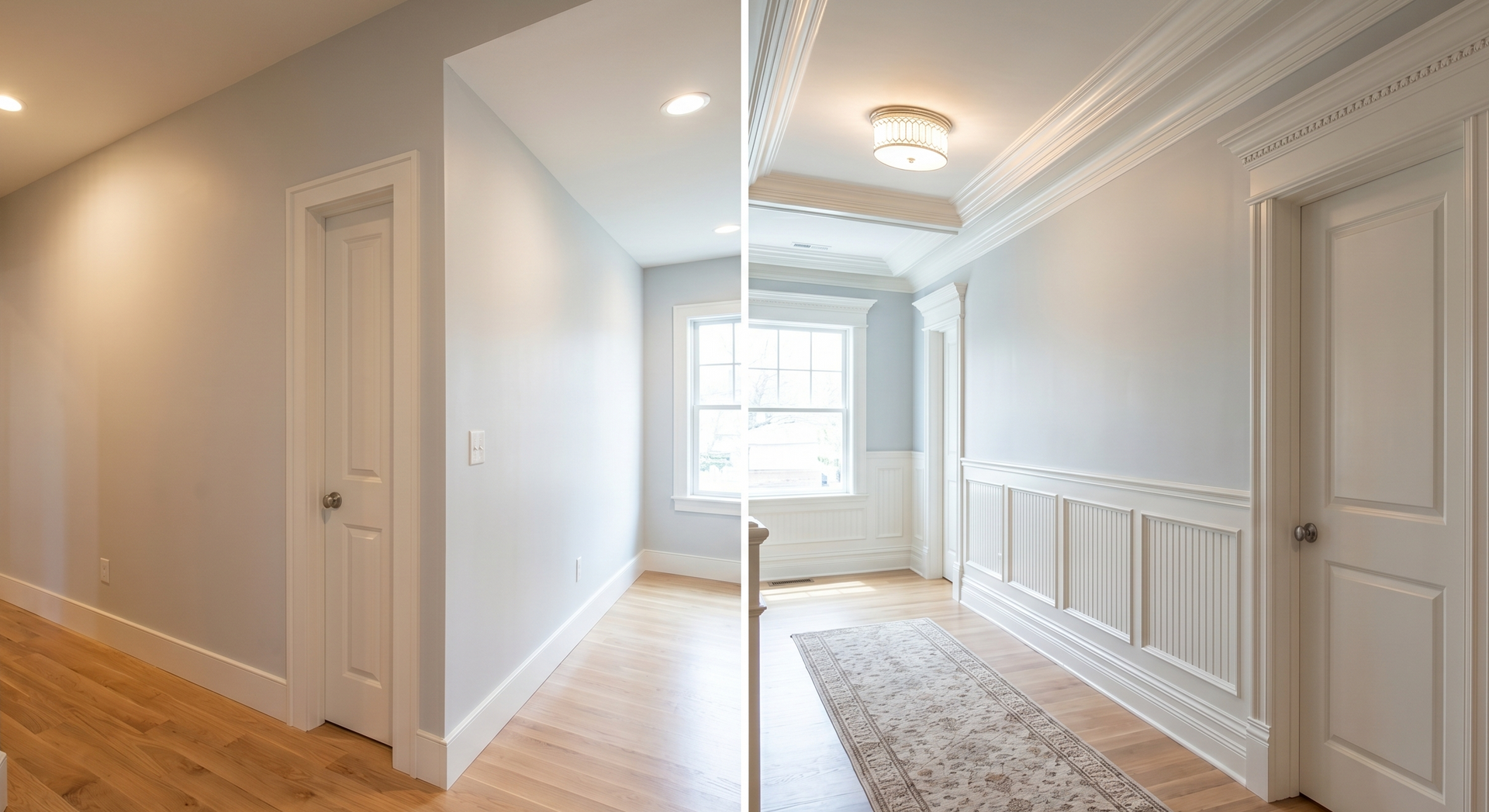
Unlike a full remodel, finish carpentry upgrades enhance and refine existing spaces rather than reconfiguring them.
2. Identify Your Primary Goals
Every homeowner’s goals are different. Some want to modernize outdated builder-grade finishes. Others want to add character and warmth. Some are preparing for resale, while others plan to stay long-term.
Clarifying your goals helps prioritize decisions:
- Do you want a consistent trim style throughout the home?
- Are storage and organization a major concern?
- Is resale value a key motivation?
- Are you aiming for a specific design style?
When goals are clear, the project becomes more focused and manageable.
3. Choose a Cohesive Design Direction Early
One of the biggest mistakes homeowners make is selecting finishes room by room without an overall plan. This often leads to mismatched trim, inconsistent proportions, and a disjointed look.
A whole-home approach should include:
- One trim profile family
- Consistent baseboard height
- Unified casing style
- Coordinated finishes and colors
Choosing these elements early allows everything to flow naturally from space to space and prevents costly changes later.
4. Decide Whether to Do the Project in Phases
Not every whole-home upgrade needs to happen at once. Many homeowners choose a phased approach to spread out cost and disruption.
Common phasing strategies include:
- Main living areas first, bedrooms later
- First floor followed by second floor
- Trim upgrades first, built-ins later
- High-visibility spaces before secondary rooms
A phased plan still maintains design consistency while allowing flexibility in scheduling and budgeting.
5. Establish a Realistic Budget Range
Whole-home finish carpentry projects vary widely based on home size, materials, and scope. While every project is unique, having a budget range helps guide decisions.
Factors that affect cost include:
- Square footage
- Trim height and profile complexity
- Material selection
- Number of doors and windows
- Built-in and custom feature quantity
Including a contingency buffer ensures you’re prepared for adjustments without stress.
6. Understand the Timeline Expectations
Finish carpentry is detail-driven work, and timelines should reflect that. A whole-home upgrade typically unfolds in stages rather than all at once.
A general timeline may include:
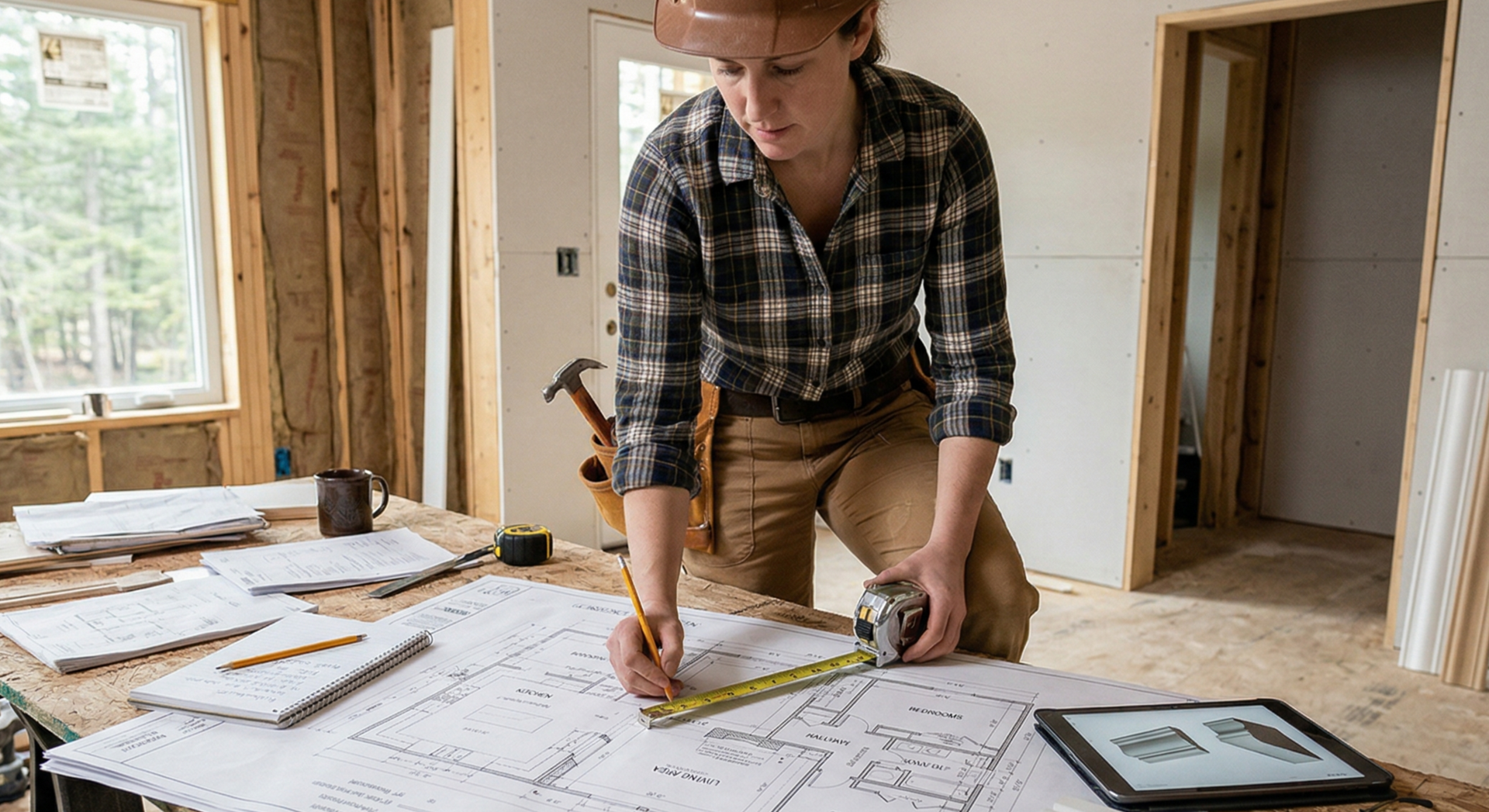
- Design and planning: 1–2 weeks
- Material selection and ordering: 1–3 weeks
- Installation: several weeks depending on scope
- Final walkthrough and adjustments
Working with an experienced contractor ensures the schedule is realistic and communicated clearly from the start.
7. Prepare Your Home for the Work
Finish carpentry is less invasive than structural remodeling, but preparation still matters.
Helpful steps include:
- Clearing wall areas near trim
- Removing décor and furniture where needed
- Planning temporary access routes
- Understanding which rooms will be worked on each day
A well-prepared home keeps the project moving efficiently and minimizes disruption.
8. Expect Some Inconvenience — But Not Chaos
While finish carpentry creates some noise and dust, professional crews take steps to protect your home.
Quality contractors will:
- Use dust containment methods
- Protect floors and surfaces
- Keep work areas organized
- Clean up daily
You should never feel like your home has become an unmanaged job site.
9. Trust the Expertise of Your Finish Carpenter
Whole-home finish upgrades involve dozens of small decisions — trim proportions, transitions, corner details, and alignment between spaces.
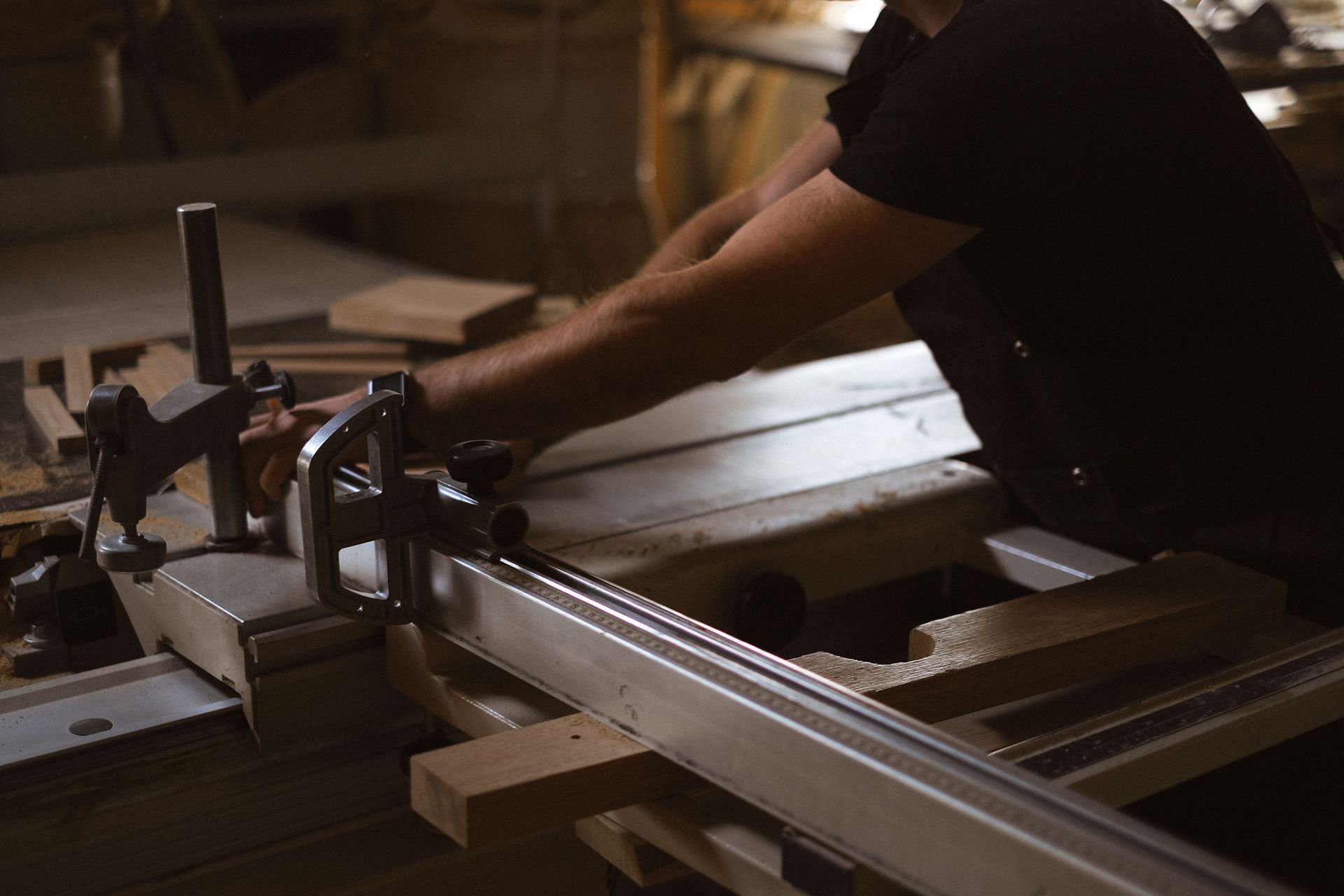
An experienced finish carpenter will:
- Recommend appropriate trim sizes
- Identify potential challenges early
- Adjust for uneven walls and floors
- Maintain consistency throughout the home
Trusting professional guidance reduces stress and improves the final result.
10. Think Long-Term, Not Just Immediate Impact
Finish carpentry is one of the most enduring upgrades you can make. Choosing timeless profiles and quality materials ensures your home will still feel refined years from now.
Avoid trends that feel overly specific or short-lived. Instead, aim for designs that complement your home’s architecture and can adapt to future style changes.
11. Appreciate the Transformation as It Comes Together
One of the most rewarding aspects of a whole-home finish upgrade is watching the transformation unfold. As trim lines align, built-ins take shape, and transitions come together, the home begins to feel cohesive in a way it never did before.
Many homeowners describe the finished result as:
- Calmer
- More intentional
- More comfortable
- More valuable
These changes improve daily living as much as they improve appearance.
Whole-Home Finish Carpentry Done Right
A whole-home finish carpentry upgrade doesn’t need to be overwhelming. With thoughtful planning, clear communication, and skilled craftsmanship, it can be a smooth, rewarding process that elevates every room in your home.
At Blackhills Finish Carpentry, we approach these projects with structure, precision, and respect for your space — delivering results that feel seamless and lasting.
Ready to Start Planning Your Finish Upgrade?
Call: (605) 381-0298
Email: bfaehnrich6@yahoo.com
Serving: Hill City, Rapid City & the Black Hills
Hours: Monday – Friday, 7am – 5pm
Let’s plan your finish carpentry upgrade with confidence, clarity, and craftsmanship.