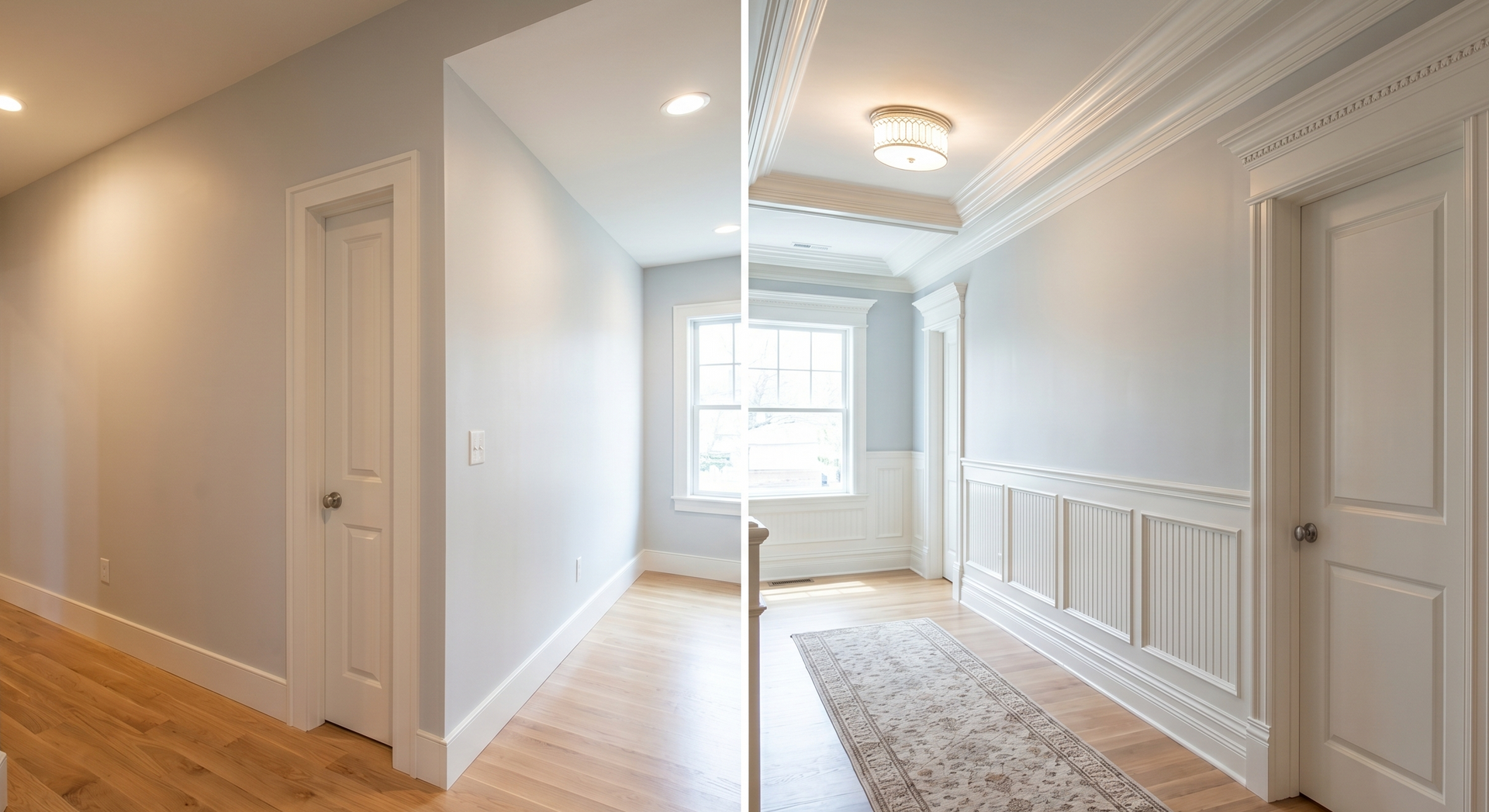
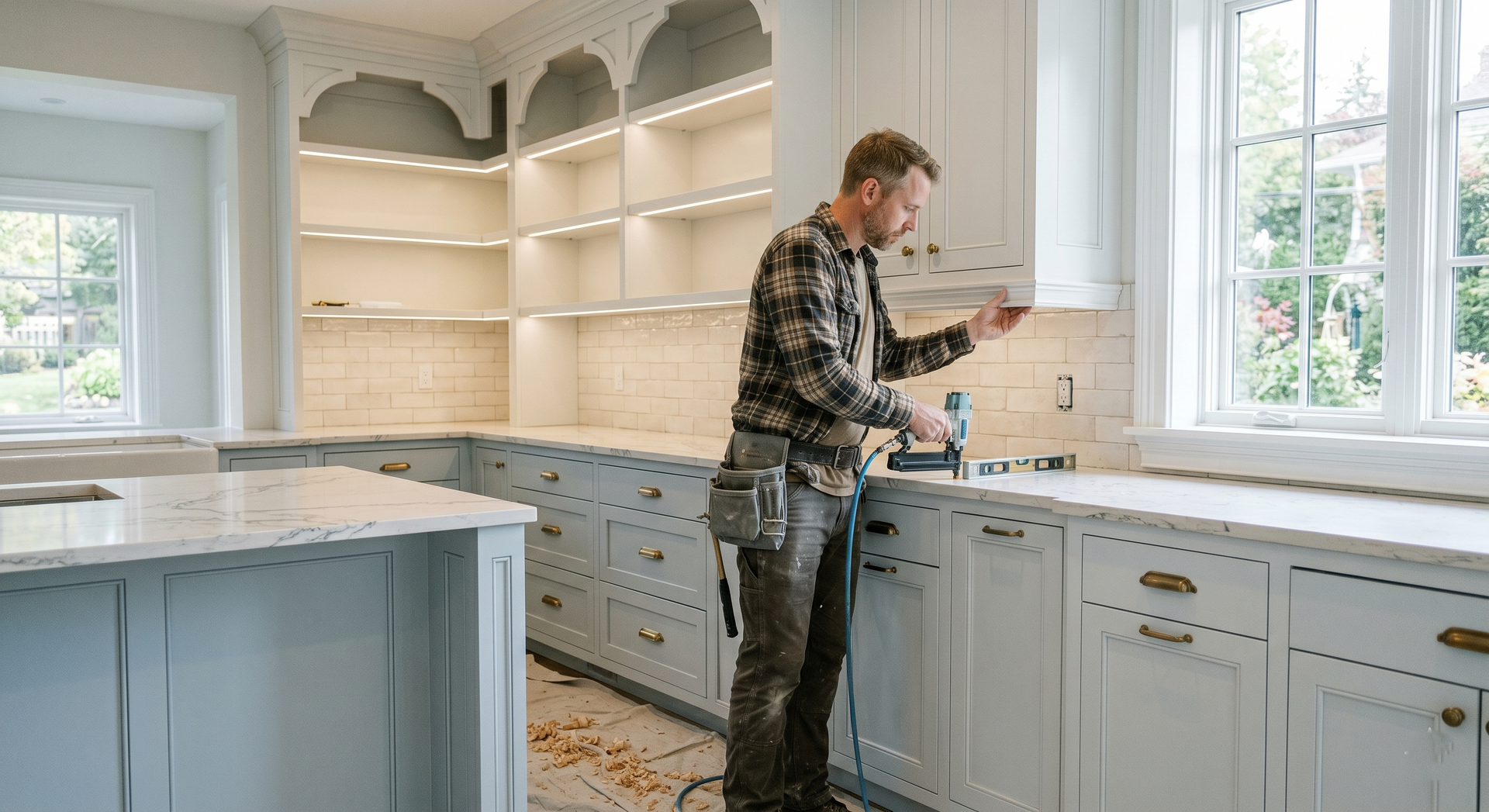
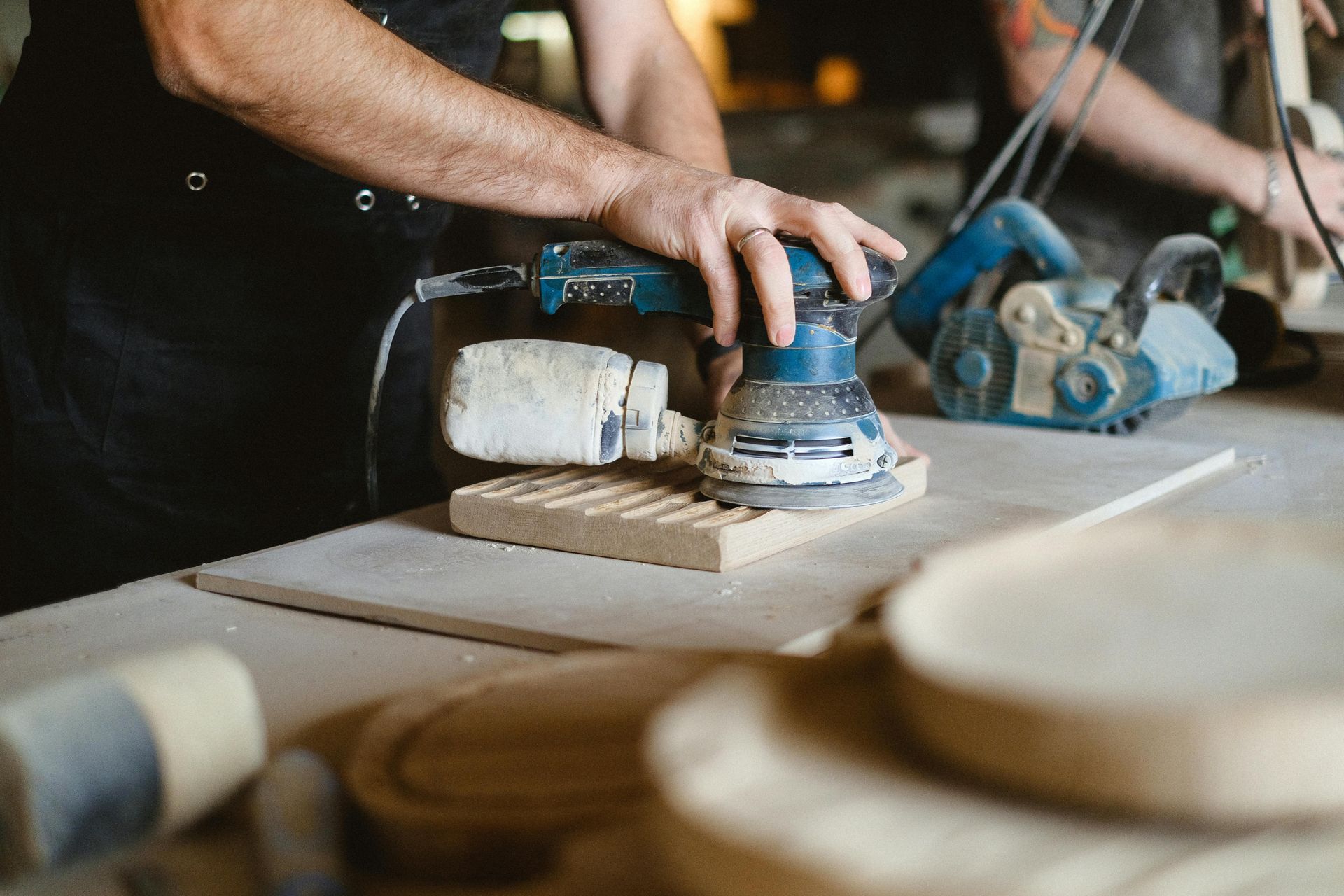
When homeowners plan finish carpentry upgrades, design and layout usually get most of the attention. Trim profiles, cabinet styles, and built-in layouts are exciting decisions. But behind every successful finish carpentry project is something less visible — material quality.
The materials used in trim, cabinetry, and built-ins determine how well those features perform over time. They influence durability, appearance, maintenance needs, and even how your home feels day to day.
At Blackhills Finish Carpentry, we’ve spent over 25 years working in homes across Hill City, Rapid City, and the Black Hills. One lesson stands out clearly: craftsmanship and materials must work together. Even the best installation cannot compensate for poor-quality materials.
Here’s why material quality matters so much in finish carpentry — and how choosing the right materials protects your investment.
1. Finish Carpentry Is Meant to Last Decades
Unlike décor or paint colors, finish carpentry is not something homeowners expect to replace frequently. Baseboards, casing, cabinetry, and built-ins are part of the home’s permanent structure.
High-quality materials ensure:
- Long-term stability
- Resistance to wear and damage
- Clean appearance over time
- Fewer repairs and replacements
Low-quality materials may look fine at first, but they often fail prematurely, leading to frustration and added cost.
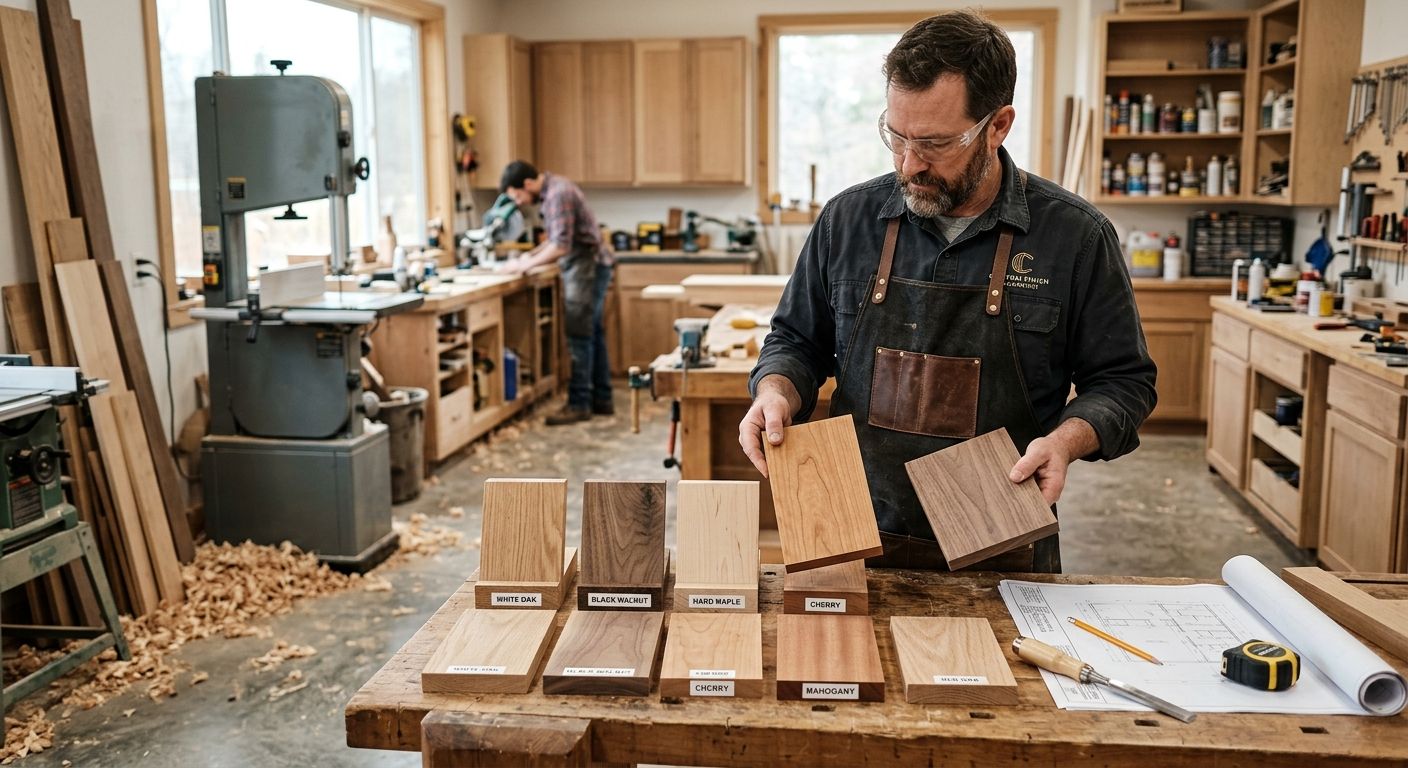
2. Not All Wood Products Perform the Same
Many homeowners assume that all wood products behave similarly. In reality, material performance varies widely.
Common finish carpentry materials include:
- Solid hardwood
- Furniture-grade plywood
- High-density MDF
- Particleboard or low-grade composites
Each has appropriate uses — and inappropriate ones.
Particleboard and low-density composites are prone to:
- Swelling from moisture
- Sagging under weight
- Chipping at edges
- Fastener failure
Higher-quality materials resist these issues and maintain their shape and strength for years.
3. South Dakota’s Climate Demands Better Materials
The Black Hills region experiences wide seasonal swings in temperature and humidity. These changes cause wood to expand and contract.
Material quality directly affects how well finishes handle:
- Dry winter air
- Humid summer conditions
- Rapid temperature changes
- Long-term seasonal cycling
Lower-grade materials often crack, warp, or separate under these conditions. Properly selected woods and engineered products are far more stable when installed correctly.
4. Trim Quality Affects Visual Precision
Finish carpentry is judged by the eye. Clean lines, crisp edges, and tight joints depend heavily on material quality.
Low-quality trim often results in:
- Soft edges that dent easily
- Rough or fuzzy cuts
- Poor paint adhesion
- Visible imperfections after finishing
High-quality trim materials allow for:
- Sharp profiles
- Smooth finishes
- Better paint and stain results
- Long-lasting visual clarity
The difference is especially noticeable in corners, joints, and high-visibility areas.
5. Cabinet and Built-In Durability Starts With the Box
Cabinet doors and drawer fronts get most of the attention, but the cabinet box is the foundation of durability.
Low-quality cabinets often use:
- Particleboard boxes
- Stapled joints
- Thin back panels
- Weak shelving supports
These cabinets may sag, loosen, or fail over time.
Custom cabinetry built with quality materials offers:
- Furniture-grade plywood boxes
- Reinforced joinery
- Strong shelving
- Long-term structural integrity
When cabinets are built correctly from the start, doors stay aligned and drawers operate smoothly for years.
6. Hardware Performs Better When Paired With Strong Materials
Even premium hardware cannot perform well if it’s mounted to weak material.
Quality materials:
- Hold screws securely
- Support soft-close hinges and slides
- Prevent loosening over time
- Maintain alignment
Poor materials often lead to:
- Stripped fasteners
- Sagging doors
- Misaligned drawers
- Frequent adjustments
Material strength and hardware quality work hand in hand.
7. Material Quality Reduces Maintenance and Repairs
Homeowners often underestimate the ongoing cost of maintaining low-quality finishes.
Inferior materials may require:
- Re-caulking joints
- Touching up chipped edges
- Repairing swollen trim
- Replacing damaged shelving
Higher-quality materials reduce these issues dramatically, saving time, money, and frustration.
8. Better Materials Age Gracefully
High-quality finish carpentry develops character over time rather than degrading.
Well-selected materials:
- Retain their shape
- Maintain finish quality
- Develop subtle patina
- Continue to feel solid
Poor materials often show wear quickly, making homes feel dated or neglected far sooner than expected.
9. Sustainability Starts With Longevity
Sustainable building is not just about sourcing — it’s about lifespan.
Replacing inferior finishes every few years creates waste and increases environmental impact. Quality materials reduce the need for frequent replacement.
Longevity is one of the most sustainable choices a homeowner can make.
10. Material Quality Enhances Resale Value
Buyers may not know exactly what materials were used, but they recognize quality when they see it.
Homes with solid, well-built finishes:
- Feel more substantial
- Show fewer signs of wear
- Require fewer immediate updates
- Inspire confidence
This perception directly impacts resale appeal and value.
11. Good Materials Allow Better Craftsmanship
Even the most skilled carpenter is limited by poor materials.
Quality materials:
- Cut cleaner
- Fit more precisely
- Finish more smoothly
- Install more securely
They allow craftsmanship to shine rather than forcing installers to compensate for material flaws.
12. Choosing Materials Is About Matching Use, Not Cutting Cost
Good finish carpentry doesn’t mean using the most expensive material everywhere. It means selecting the right material for each application.
Examples include:
- Moisture-resistant materials in bathrooms and basements
- Durable hardwoods for high-traffic areas
- Stable engineered products where movement is a concern
This thoughtful approach ensures performance without unnecessary expense.
Material Quality Is an Investment, Not an Upgrade
Finish carpentry materials shape how your home looks, feels, and functions for decades. Choosing quality materials reduces maintenance, improves durability, and protects your investment.
At
Blackhills Finish Carpentry, we believe material selection is just as important as craftsmanship — because great work deserves a solid foundation.
Ready to Build With Materials That Last?
If you’re planning a finish carpentry project and want guidance on material selection, we’re here to help.
Call: (605) 381-0298
Email: bfaehnrich6@yahoo.com
Serving: Hill City, Rapid City & the Black Hills
Hours: Monday – Friday, 7am – 5pm
Let’s build finishes that stand the test of time.